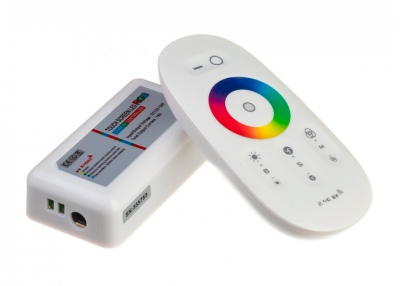
LED lighting control
(RGB controller, dimmer, RGB amplifier, motion sensors)
LED lighting is now so popular that it displaces the usual sources of light. LED technology is beginning to choose everywhere - at home, at work and on the street. And no wonder, because the LED lamps, lamps, strips, projectors instantly transform your home, making it bright, cozy, stylish and colorful. Features LEDs finally appreciated: LED-devices can solve many problems that are beyond the power of other lighting devices. One of them - the ability to change according to a predetermined scenario of brightness and color.
These dynamic characteristics are important when you need the architectural and decorative lighting of buildings, when to design shop windows and install billboards. When various media projects are announced, where the show involves a complex light stage, LED lighting, able to change by order, and is indispensable at all.
Rest assured, all the nuances that customers ask, manufacturers have long been calculated. LED modules are the basis for a range of solutions designed to control lighting: reduce and increase the brightness, alternate colors, change the speed of the selected algorithm.
Changing the lighting solution is also relevant for apartment lighting. For example, it is very convenient to change the color of multicolor LED strip light depending on your mood. You want to relax - green, sad - blue, dance - red.
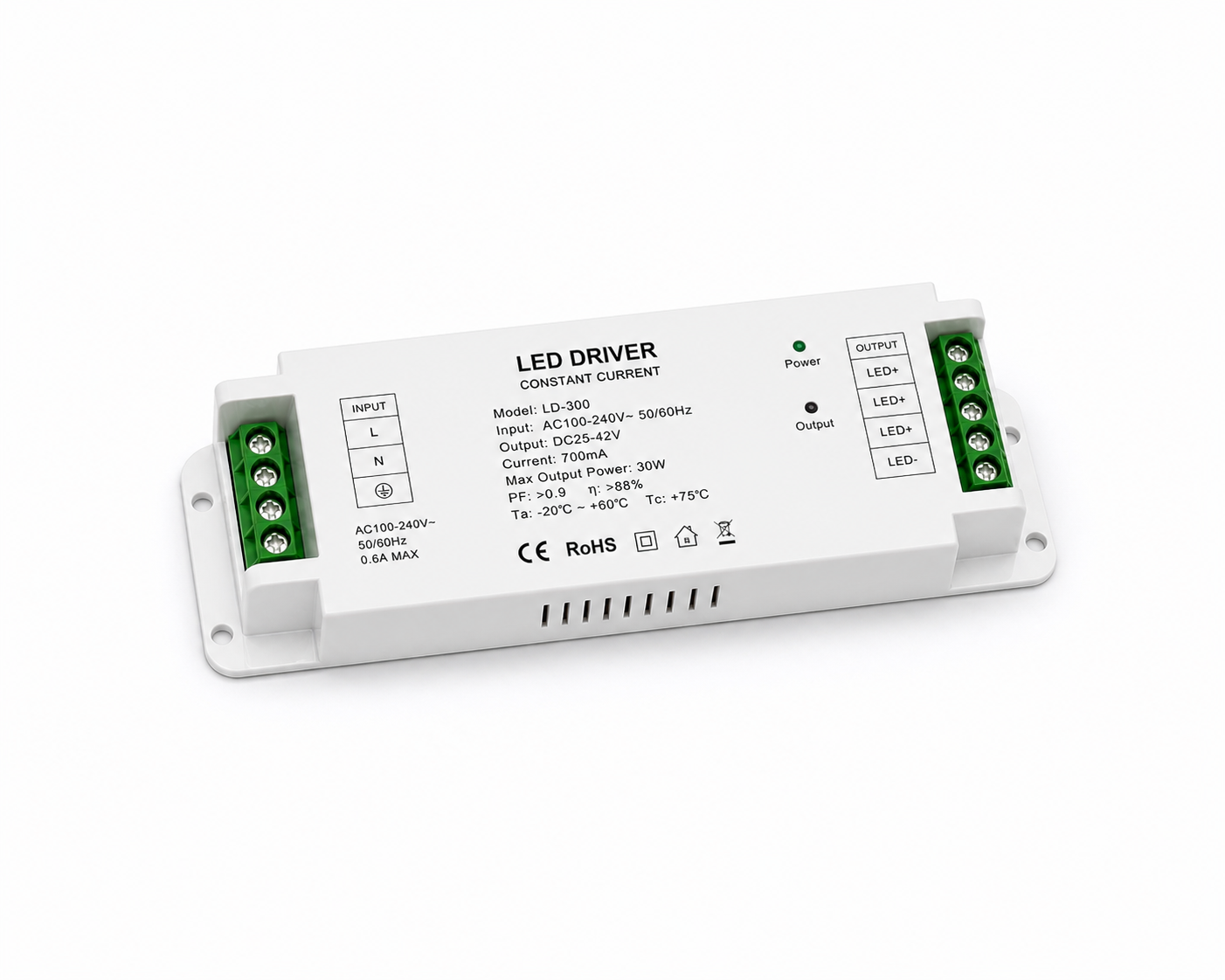
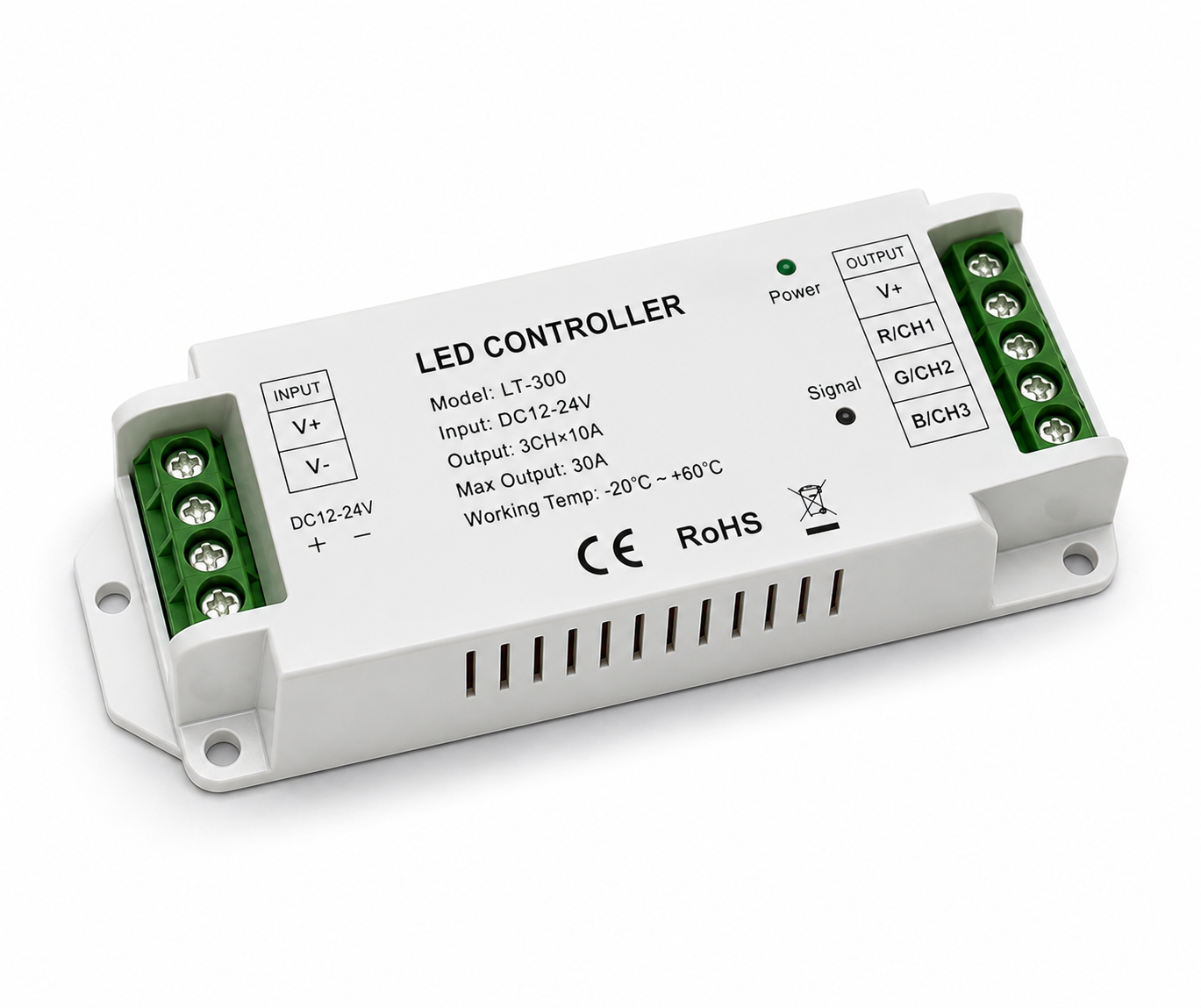
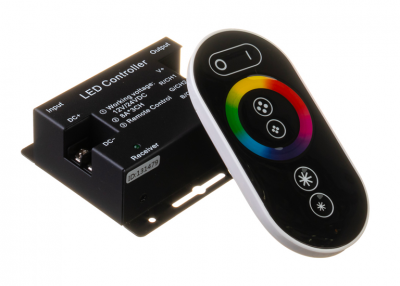
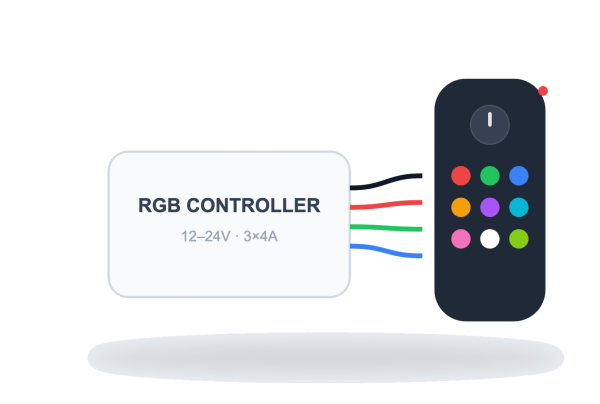
For a similar control of LED light you need an RGB-controller. It is not difficult to choose. Number of RGB LEDs in a meter segment of your strip can be anything. At least 30 or 60 pieces - the control will be done with the same controllers. What you need to pay attention to is the specifications, so you should study the operating voltage and power. The working voltage varies from 12 to 24 volts, the maximum power can be 72, 108, 144 or 288 watts. Low-power variants threaten a quick breakdown, too big will affect the price increase for the device, and the difference with the averaged version of the power will not be felt.
The main thing at first is to understand what type of controller you want: without or with remote control. The ones without are the cheapest. They have only a smooth color gradient function. If you want to light up a store window or a sign in a store, that's quite enough. Controllers that do not have a remote control vary in appearance, they can resemble a switch or have a more modern touch control.
Devices that help to smoothly regulate the brightness of LED lights, lamps and rulers are called dimmers. They are a type of controllers, which are controlled either by pulse width modulation, or respond to analog voltage signals from the remote.
Controllers with remotes also vary considerably. The cheapest are controllers with an infrared remote control. They work at distances up to 10 meters, the remote must be precisely directed at the infrared receiver, it is logical that in this case, go to another room is not worth it - the result will not be. This type of RGB controller is convenient because if you lose the remote, you don't need to buy a new IR controller, you just need to buy a new identical remote.
All controllers with remote controllers smoothly adjust the brightness, change the color and can activate the iridescent mode, some of them are equipped with a flicker function.
Controllers with radio remote control are more expensive. They are much more sensitive - they pick up from a distance of up to 20 meters. so this output is ideal if you are going to hide the controller, where it will not clutter the space, or change the light composition from another room. However, as RGB controllers with IR remote control, they are not replaceable: if you lose the remote, you will need to dispose of the old one and buy another controller again.
There are also controllers on sale that work via WI-FI. Their price is quite high, and there is only one additional possibility - to change the light design from a cell phone.
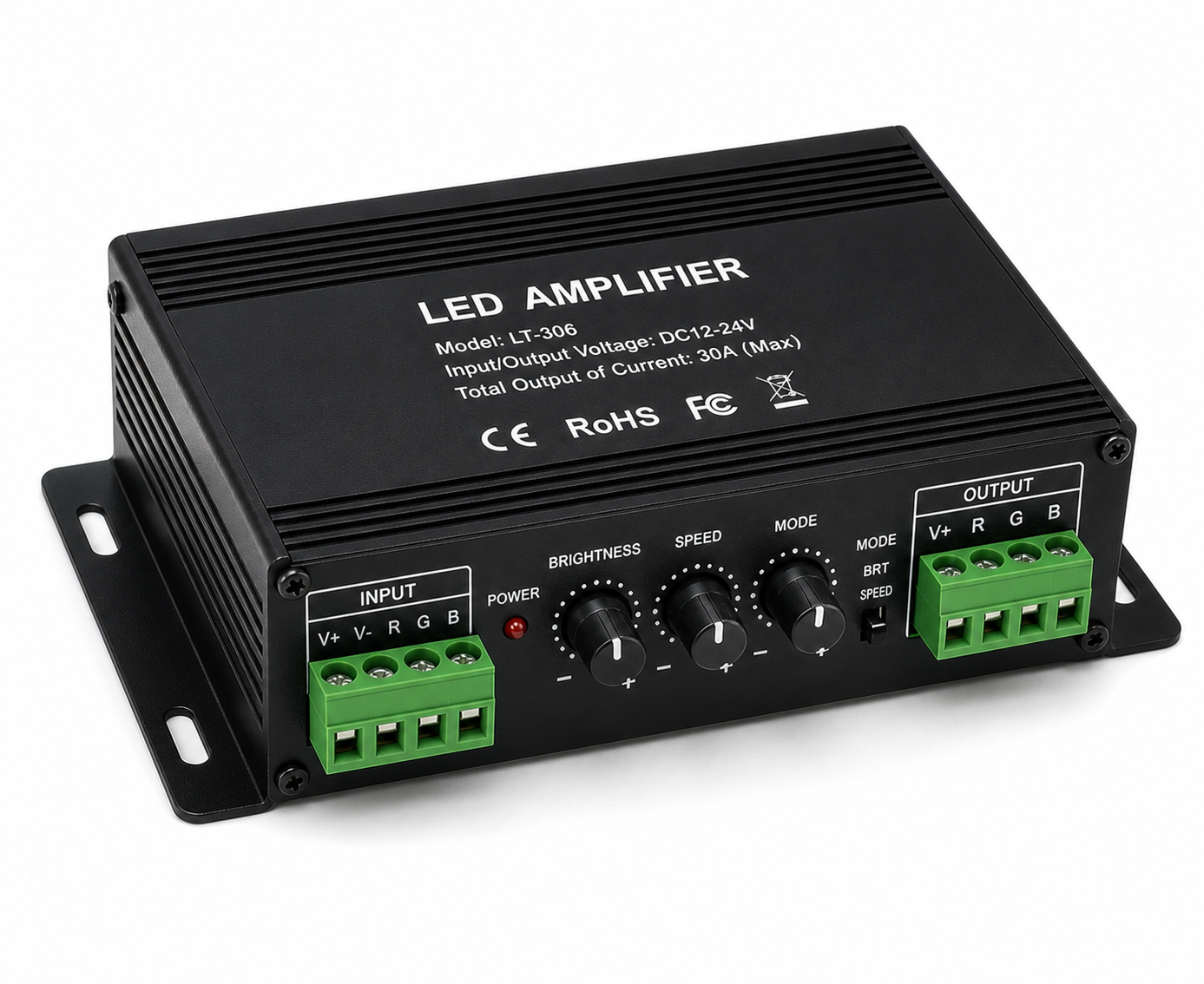
When it is planned to connect multiple LED strips or modules to RGB-controller, you need RGB-amplifiers to reduce the load on the device. Thanks to the amplifiers you can create elongated chains of synchronously flickering ribbons. They can be placed both in parallel and synchronously. The first option is considered preferable because it does not allow a significant drop in signal level in the tapes.
Attention!
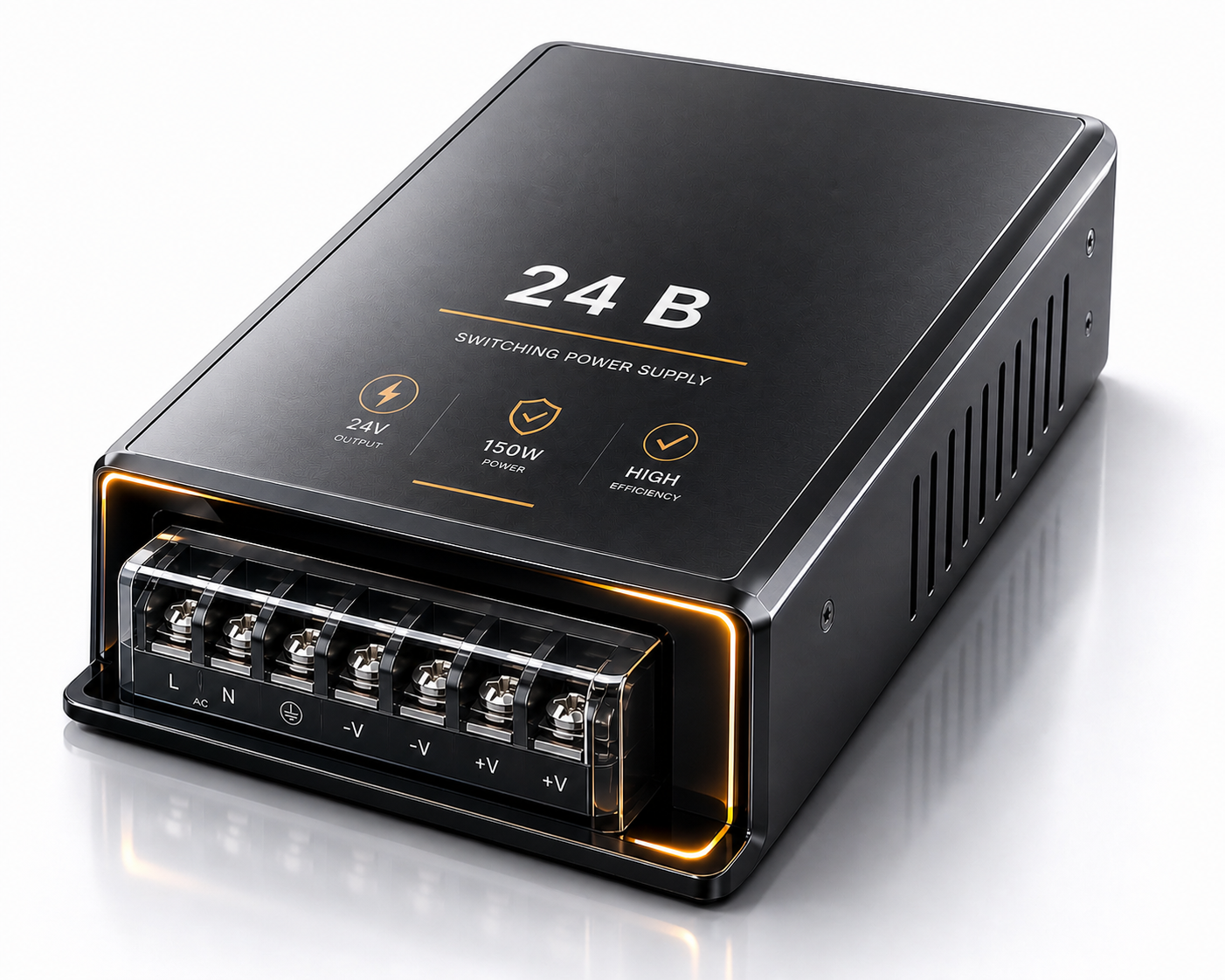
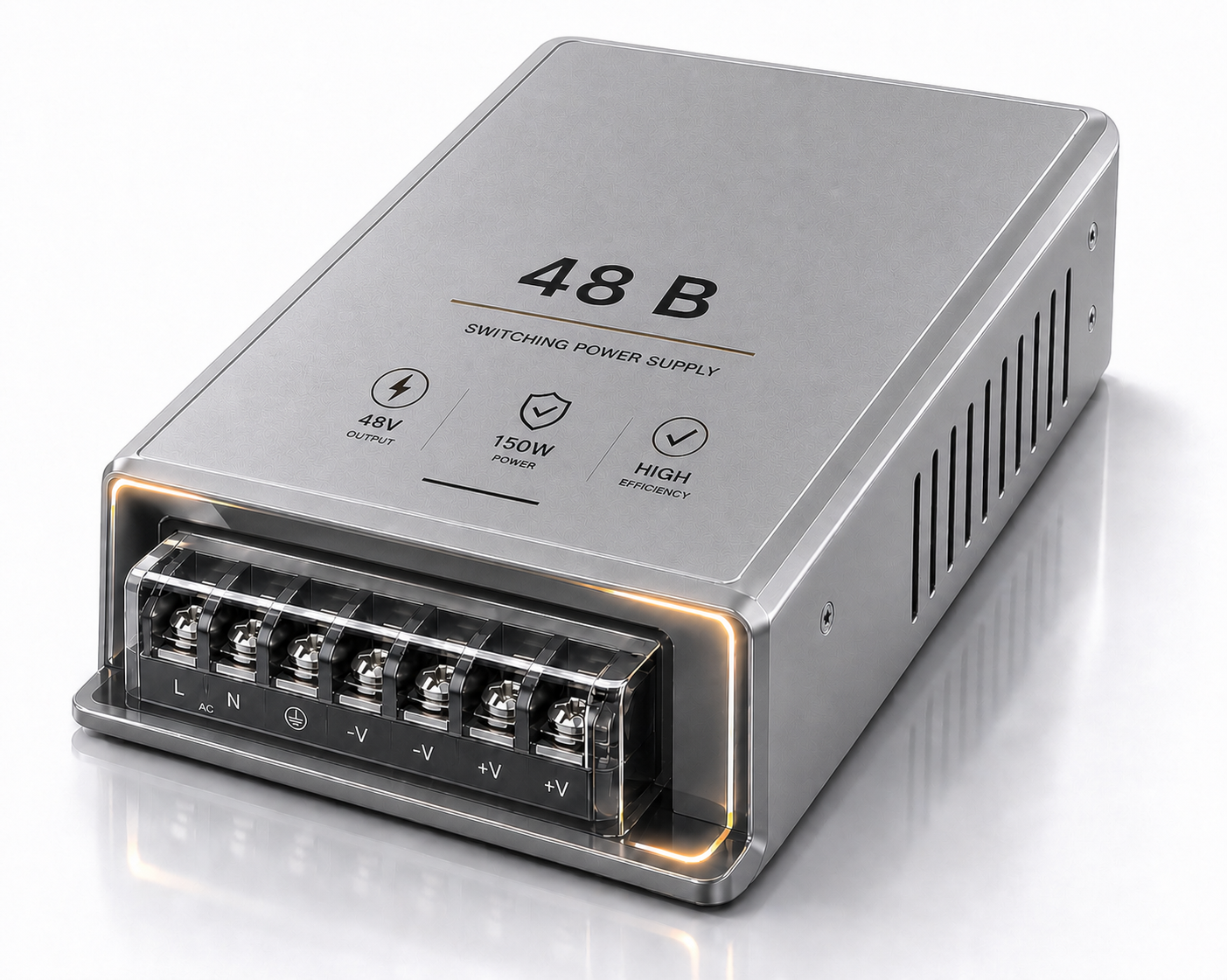
Only one RGB controller per RGB amplifier is allowed. The minimum power reserve of the power supplies used is 20%. Each amplifier has a pair of connectors, the first has four pins for input, the second has six for output. During the connection of RGB modules, and power supply units, it is necessary to set the correct polarity. The power supplies are connected to each other via a common cathode.
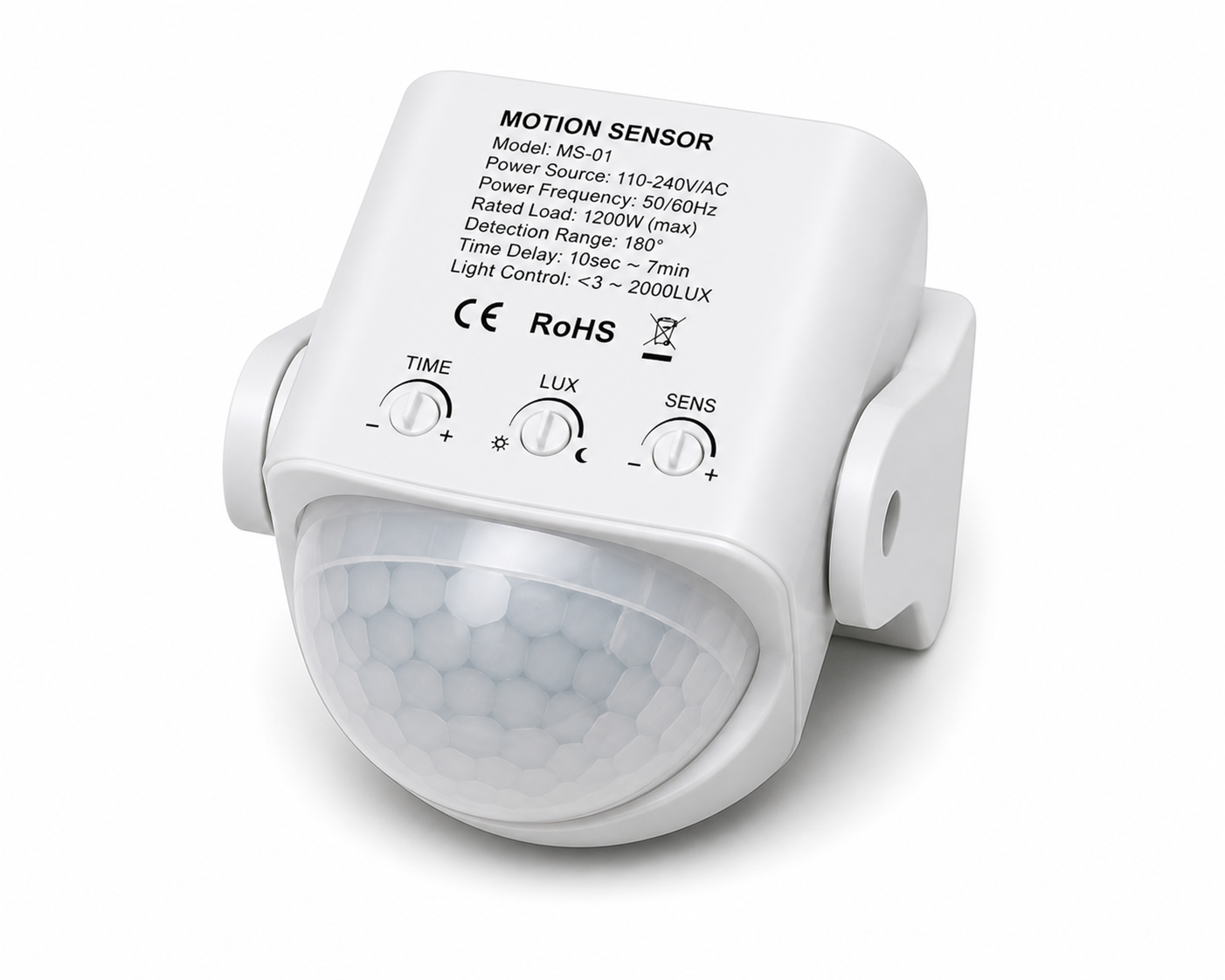
The lighting can also be controlled by means of motion sensors. Due to the fact that the lighting is turned on when the owners arrive and turns off when they leave, it saves a lot of electricity. The most popular are infrared and microwave. Each type of device has its own advantages and disadvantages. For example, infrared controls respond not only to motion, but also to heat levels. They are ideal in lighting home interiors, they are convenient to use in places where you are not there for a long time (elevator, corridor, basement, garage). But where there are these sensors, it is better not to hang curtains, which can sway from the wind blowing from the window, and not to turn on the fans.
Microwave sensors work by catching emission of high-frequency electromagnetic waves and detecting reflections from objects. They are small and easily fit into hard-to-reach places. Compared to infrared devices, they do not need powerful lamps and can detect people through windows.

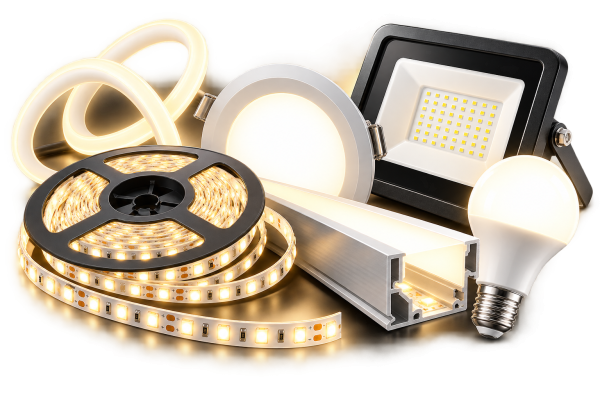 LED lighting
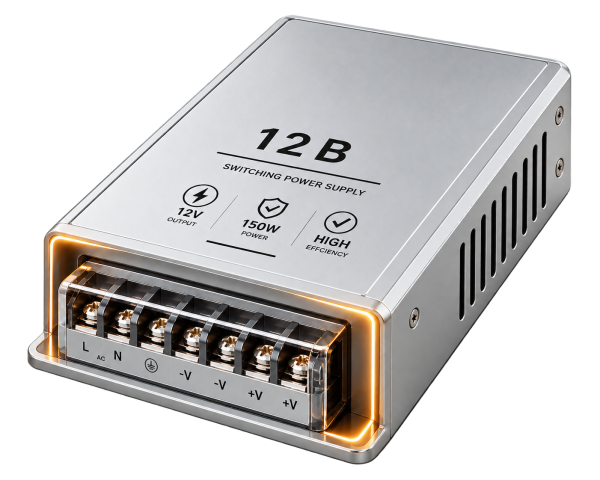 Power supplies
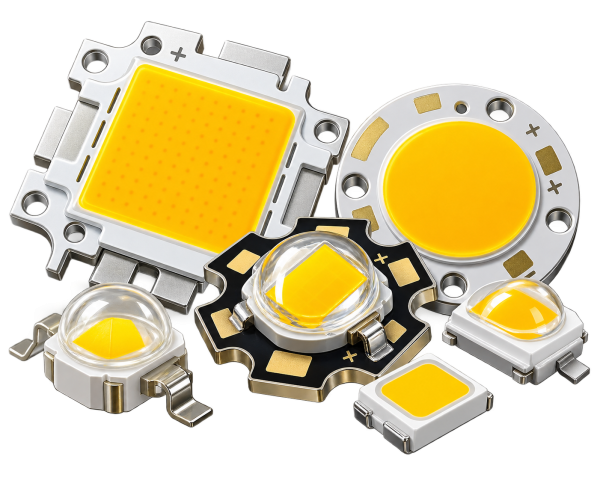 LEDs
 Light control
 Connection
 Garlands